


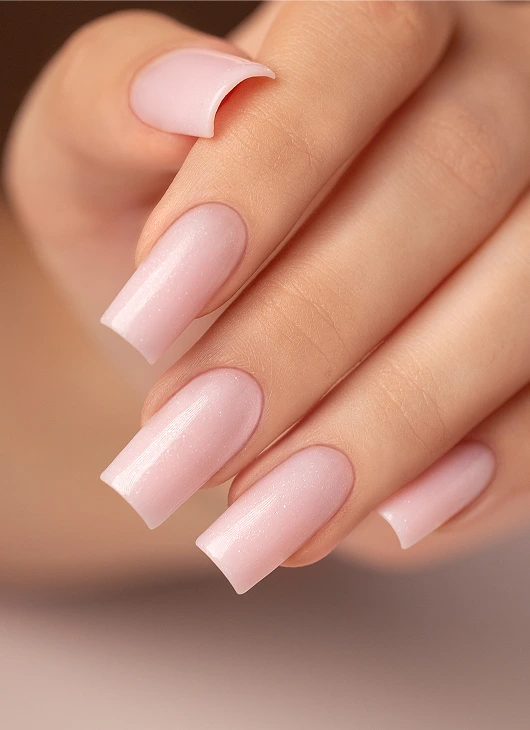
Choosing the right material for extending and strengthening nails has a significant impact on both the nail technician’s comfort of work and the durability of the manicure. Both classic polygel and liquid polygel are highly popular in professional salons; however, they differ in consistency, application method, and range of use. In this article, we compare both products, present their key features, and suggest when it is worth choosing a specific solution. This will help you match the material to your working style and your clients’ expectations more easily.
- Classic polygel vs. liquid polygel – what are these nail design products?
- Comparison of classic polygel and liquid polygel
- Key differences in consistency
- How do polygels and liquid polygels cure in a UV lamp?
- Durability comparison – which provides a longer-lasting effect?
- Application comfort – which product is easier to use?
- Advantages of classic polygel – when is it the better choice?
- Liquid polygel – when does it perform better?
- Visual effects – what kind of manicure can you achieve?
- Summary
- FAQ
Classic polygel vs. liquid polygel – what are these products?
Polygel and liquid polygel are modern materials that combine—just as their names suggest—the properties of gel and acrylic. They are designed for comfortable application and high durability. They allow nail extensions, strengthening, and correction while ensuring a natural look and good control over the shape. Although they serve a similar purpose, they differ in consistency, application technique, and everyday salon use.
Comparison of classic and liquid polygel
|
Feature |
Classic polygel |
Liquid polygel |
|
Consistency |
Very thick, moldable, non-self-leveling |
Semi-liquid, self-leveling |
|
Product form |
Squeezed from a tube |
Bottle |
|
Application method |
Spatula + brush with liquid |
Brush (like gel) |
|
Level of control |
Very high |
Medium to high |
|
Working speed |
Slower, precise |
Faster, more dynamic |
|
Sculpting ability |
Full control over shape |
Limited by fluidity |
|
Intended use |
Building, corrections, extensions |
Quick refills, salon extensions up to 5 mm |
|
Self-leveling |
No |
Yes |
Key differences in consistency
Product consistency affects working speed, level of control, and ease of nail sculpting. Classic polygel and liquid polygel differ significantly in this respect, which determines their suitability for different techniques and working styles.
|
Feature |
Classic polygel |
Liquid polygel |
|
Viscosity |
Very thick, moldable material |
Medium-thick, semi-liquid formula |
|
Running off the nail plate |
Does not run; stays where applied |
May gently self-level |
|
Control over the material |
Very high |
Medium to high |
|
Working method |
Sculpting with a brush, shaping the structure |
Spreading with a brush and self-leveling |
|
Application speed |
Slower, more precise |
Faster, more dynamic |
|
Risk of flooding the cuticles |
Low |
Higher without proper control |
Classic polygel works best where precise sculpting and control over the shape are essential, while liquid polygel makes it easier to quickly smooth the surface and create thin, natural-looking manicures. The choice should depend on the technician’s experience level and the type of manicure performed.
How do they cure in a UV lamp?
Both classic and liquid polygel cure in a UV/LED lamp, giving full control over working time and each stage of the manicure. Until cured, the material remains moldable, allowing adjustments to the nail shape.
Classic polygel, due to its thicker consistency, requires thorough curing—especially in thicker layers. Liquid polygel, applied in thinner layers, typically cures faster and more evenly, making it ideal for natural strengthening. Using a lamp with adequate power and following the manufacturer’s recommendations is essential for durability and aesthetics.
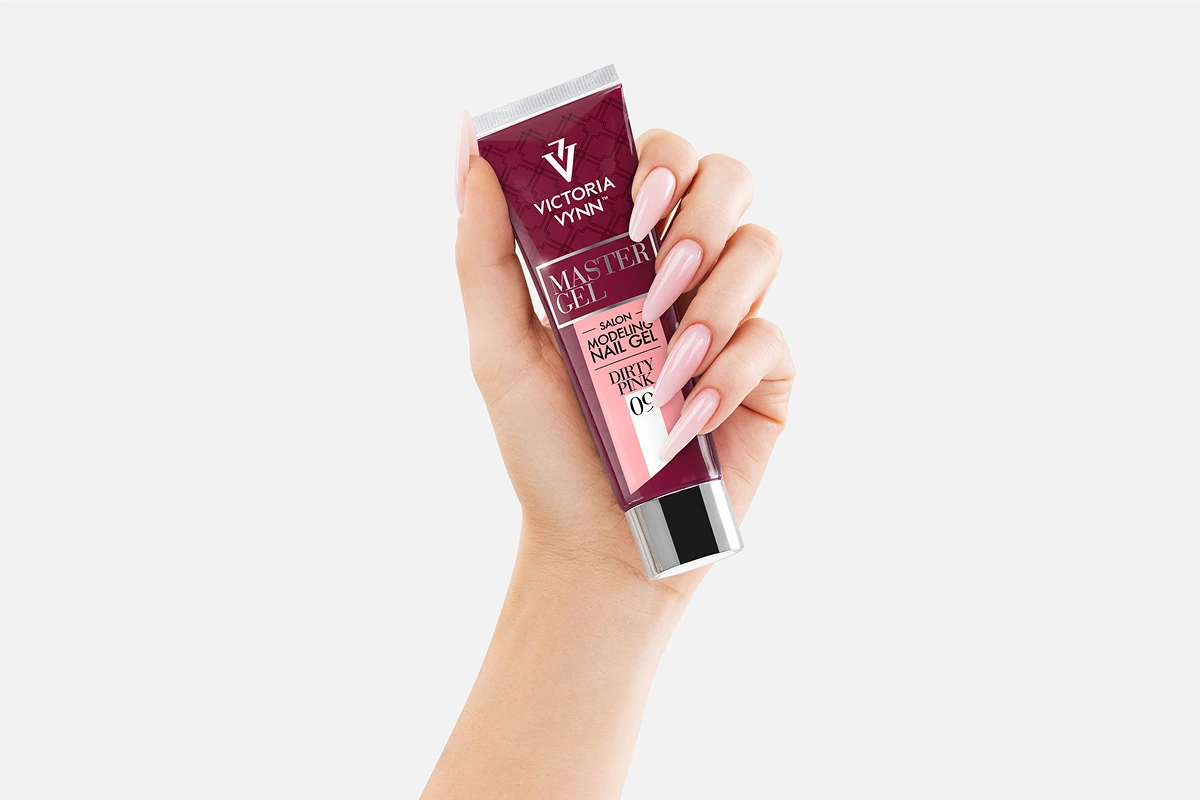
Durability comparison – which lasts longer?
Both classic and liquid polygel can provide long-lasting results if applied and cured properly. Classic polygel, with its thick consistency, is better for solid structures and longer extensions, offering stronger resistance to mechanical damage. Liquid polygel is perfect for thin layers and delicate reinforcements. It is durable but best suited for lighter constructions.
Application comfort – which is easier?
Liquid polygel significantly speeds up and simplifies the manicure process. Its lightweight, self-leveling formula helps achieve a smooth surface quickly without extensive filing. Classic polygel offers more sculpting freedom but requires a calmer pace of work and more experience, so it is more often chosen for advanced manicures.
Advantages of classic polygel
Classic polygel is ideal for technicians who value maximum control and structural stability. It works best for more demanding manicures and wherever durability and precision are essential.
Key advantages:
- Very thick, stable consistency that does not run,
- Full control over shape and apex,
- High resistance to cracks and damage,
- Ideal for extensions and corrections,
- Allows unhurried work before curing,
- Suitable for advanced sculpting techniques.
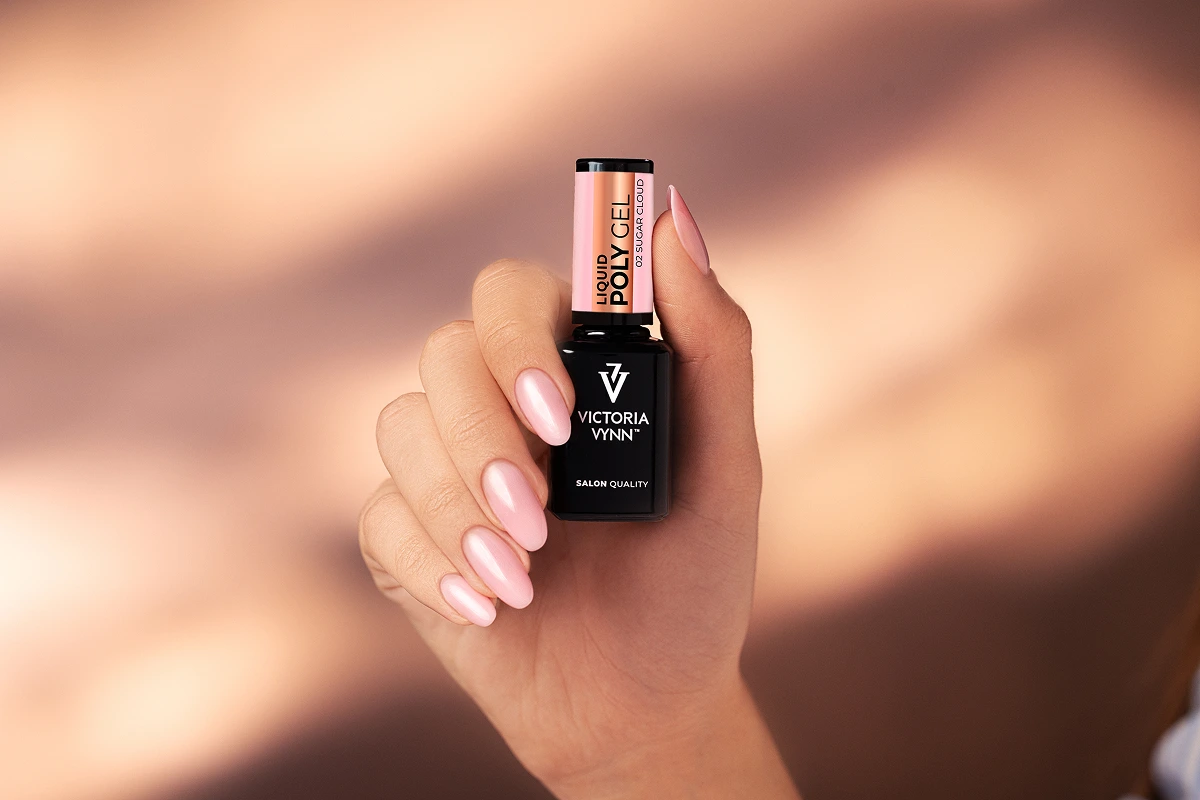
When is liquid polygel the better choice?
Liquid polygel is perfect for technicians who prioritize speed, natural results, and easy application. It is especially suitable for everyday salon work and manicures where lightness and a subtle appearance matter.
Common uses:
- Strengthening the natural nail plate,
- Thin, lightweight manicures,
- Quick refills,
- Natural-finish manicures,
- Clients who prefer subtle results,
- Reducing service time.
Recommended products
Visual effects – what result can you achieve?
Classic polygel delivers a solid, clearly sculpted result with a defined apex and balanced proportions. It looks professional, especially for extensions and precise forms, and holds its shape for a long time—in both natural and more expressive styles. Liquid polygel provides a lighter, more natural appearance. Its self-leveling properties create a smooth surface and a subtle finish without excessive thickness, making it ideal for minimalist and “natural look” manicures. The product choice affects not only working comfort but also the final aesthetic—from bold and structured to delicate and natural.
Summary
Both classic and liquid polygel have their place in daily salon work. Choose classic polygel for precision and durability, and liquid polygel for quick overlays and natural results. The right product depends on your working style, experience level, and the type of manicure performed. A properly selected material simplifies application and ensures a durable, aesthetically pleasing result tailored to your client’s expectations.
FAQ
Yes, both products can be used for nail extensions; however, classic polygel performs better for longer and more demanding structures.
Liquid polygel is easier to apply and more intuitive to work with, which is why it is often recommended for those who are just starting to work with this type of material.
No. When applied correctly, both are durable. The difference lies mainly in application method.
Classic polygel provides greater control over the shape but requires slightly more precision during application. Liquid polygel spreads more easily and self-levels, which speeds up the process and makes it easier to achieve a smooth surface.
Yes, it can be used with hybrid bases, gels, and top coats according to the manufacturer’s recommendations.
Proper nail plate preparation is essential, along with gentle product application and thorough pressing of the material during the building process. To increase adhesion, we recommend applying BOOST BASE Clearell using a thin rub-in layer method and curing it in a 36W UV/LED lamp for 60 seconds.